9 Powerful Reasons to Use Fake Email in the United States

9 Powerful Reasons to Use Fake Email in the United States

9 Powerful Reasons to Use Fake Email in the United States

Here’s the thing. Your inbox was never meant to handle this much noise. Spam, promotions, endless sign-ups, and data tracking pile up fast. Fake email, also called temporary or disposable email, exists to give you control back.

What this really means is simple. You can sign up, test services, and access content without handing over your real email every time. No long-term exposure. No inbox clutter. No unnecessary risk.

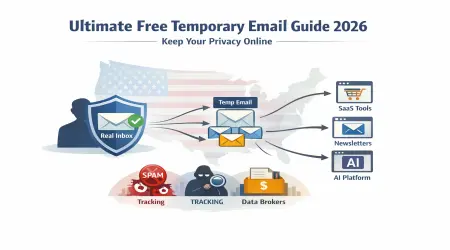
In the United States, this type of communication has gone from optional to practical. Aggressive marketing, constant data collection, and regular breaches make privacy harder to protect. Using a temporary email for privacy allows you to distinguish clearly between what is important and what is not.

Let’s break down why such an option works and when it actually makes sense to use it.

temp mail

 
What is a fake email, and How It Works?

A fake email is a temporary inbox created without personal information. You don’t add your name. You don’t create a password. You just get an address that works for a short window. Unlike a real email, which sticks with you for years, a disposable email address is built for one job. Sign up, receive a message, confirm access, and then disappear. No follow-up emails. No tracking trail.

Here’s the real difference between fake email and real email. Real inboxes slowly turn into identity hubs. Every account, every click, and every purchase connects back to you. Temporary email breaks that chain.

A fake email generator lets messages reach you without putting your main inbox at risk.


How Fake Email Services Create Temporary Addresses

These services generate random inboxes using shared domains. Each address lives for a limited time. Messages are deleted automatically.

That isolation matters. No shared inboxes. No cross-user access. Whether you’re using a temporary email for signup or an API for testing, everything stays contained. This setup cuts down phishing, tracking, and marketing exposure in one move.

Reason 1:
Safeguarding Your Online Privacy in the USA


Your email address, surprisingly, can divulge quite a bit about your life. Businesses leverage it to monitor your actions, buying habits, and even your likes and dislikes, all across the internet. Employing a disposable email address is a straightforward way to shield your identity. You’re not opting into long-term profiling just to read an article or test a tool.
A temporary email for privacy limits how much data follows you around. You maintain control over what links back to your true self.


How Fake Email Helps Prevent Data Collection and Tracking

Emails often contain tracking pixels and analytics links. The moment you open them, activity gets logged.

A disposable email address cuts that off. Once the inbox expires, tracking stops. No history. No profile building.nFor casual sign-ups, this is one of the most effective privacy moves you can make.


Reason 2:
Reducing Spam and Unwanted Marketing Emails

Spam starts with exposure. Every time you share your real email, it increases the likelihood of it ending up on a list you never agreed to. A fictitious email serves as a buffer. Promotions, newsletters, and junk mail hit the temporary inbox instead of your main one. Free fake email addresses take the hit, so your real inbox stays usable.


Why Fake Email Keeps Your Primary Inbox Clean


Temp mail is built for short-term use. When the inbox expires, the spam dies with it. Over time, this approach reduces clutter, phishing attempts, and that constant low-level stress of managing email you never wanted. It’s a simple way to keep focus and avoid unnecessary risk.

 
Reason 3:
Safe Sign-Ups on US Websites and Apps

Most sites ask for email verification before granting access. That doesn’t mean they need your real address. Using a temporary email for signup lets you explore without committing. You can read content, test features, or access downloads without long-term exposure. A fake verification email gives you access without the strings. You can use a fake email for trials, newsletters, and one-time access.
A fake email generator works well for trials and gated content. You receive the confirmation email, get what you need, and move on. No ongoing marketing. You won't receive unexpected follow-ups months later. For one-time access, this beats using a real inbox every time.


fake e-mail

Reason 4:
Keeping your data safe and your identity secret

It's common for breaches to happen. When emails get out, they can be used for phishing and taking over accounts. A temporary email address helps keep the damage to a minimum. It doesn't matter if it gets out. The inbox won't be around for long.
Using a fake email for testing or sign-ups with low trust keeps your real accounts safe from leaks.


How disposable email lowers long-term security risks

Attackers depend on being persistent. Real emails give them a steady target. Temporary email takes away that benefit. The trail can't be followed once it runs out.
This is why groups and people who care about privacy use fake email addresses to test security and lower risks.


Reason 5:
Faster Account Creation Without Sharing Real Details


Long registration flows slow everything down. Fake email speeds things up. You don’t create passwords. You don’t manage profiles. You get instant inbox access and move on. Creating a fake email online is about speed without sacrificing privacy.


Fake Email for Speed and Convenience in the United States

Instant inboxes mean instant access. It's easy and quick to check accounts, download files, and test platforms. Using reliable fake email services can speed up your work, make it more efficient, and keep your personal information safe.

Fake Email for Speed and Convenience in the United States


Instant inboxes offer immediate access. You can quickly verify accounts, grab files, and test platforms. Reliable fake email services let you swap out friction for efficiency, all while keeping your personal information is under wraps.

Reason 6:
Testing and Development for US-Based Businesses

Businesses in the United States often need multiple accounts for testing and development. This is especially true for their developers and quality assurance teams.


Using real emails for that gets messy fast

Disposable email APIs keep testing clean. No cluttered inboxes. This ensures that there is no unintentional overlap with production accounts. Marketers use fake email for testing campaigns and previews without polluting real lists. Fake Email Use Cases for QA, Developers, and Marketers. A temporary email for signing up lets teams safely test real user flows. When anonymous email tools are part of the workflow, case studies show that there are always fewer mistakes, less spam, and faster testing cycles.

Reason 7:
Anonymous Communication When Privacy Is Important

You don't always need to give your name when you talk to someone. Anonymous email services let you talk to someone for a short time without them knowing who you are. This kind of communication works well for places like forums, feedback forms, and marketplaces. You can talk clearly without giving too much information.


When to Use Fake Email for Sensitive or Short-Term Contact

A fake email is a good way to get out of a situation where you need to blow the whistle, test something, or work together for a short time. The connection ends when the inbox runs out of time. No lasting mark.


Reason 8:
Controlling How Long Your Email Exists


Real inboxes store data forever unless you actively clean them. Temporary email for privacy flips that model. You decide how long the inbox lives. Short lifespan means less exposure and a smaller digital footprint.


Why Temporary Lifespan Is a Key Advantage of Fake Email

Expired inboxes can’t be phished. They can’t receive follow-ups. Disposable email for data privacy puts time limits on risk, which is one of the smartest controls you can use.


Reason 9:
Free and Simple, No Strings Attached

 Most fake email services are free. You don't have to pay any fees to sign up or make any long-term promises. You can go in right away and leave when you're done. Their appeal comes from how simple they are. Temporary email services make the usually long process of registering, testing, and confirming much easier, which is a clear benefit.


Legal and Ethical Use of Fake Email in the United States


In the U.S., using a fake email address is perfectly legal for things like protecting your privacy, conducting tests, or gaining temporary access to something. However, the situation changes when you use the same address fraudulently or to impersonate someone else.


That distinction is crucial. Platforms might block disposable domains, and sensitive accounts, like those for banking or healthcare, should always use your real email. Responsible use protects both users and the services they utilize.


Final Thoughts: When Fake Email Makes Sense

Fake email isn't about deception; it's about control. Employ it when trust is shaky, access is fleeting, or privacy is paramount.

Reserve your real email for long-term, high-trust accounts. Temporary email for privacy provides freedom without sacrificing access. That's the key.
 

Tags:
#Fake email
Share this page
Do you accept cookies?

We use cookies to enhance your browsing experience. By using this site, you consent to our cookie policy.

More